





 Today's Hours


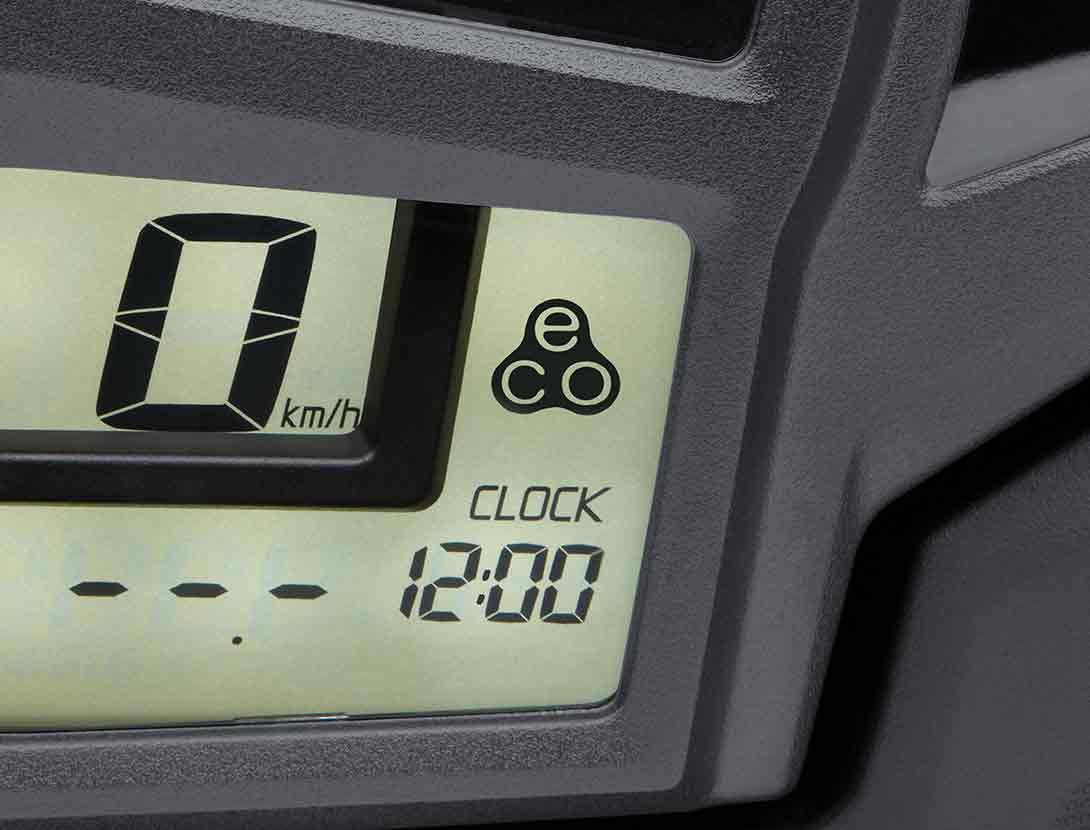 Engine Management Technology
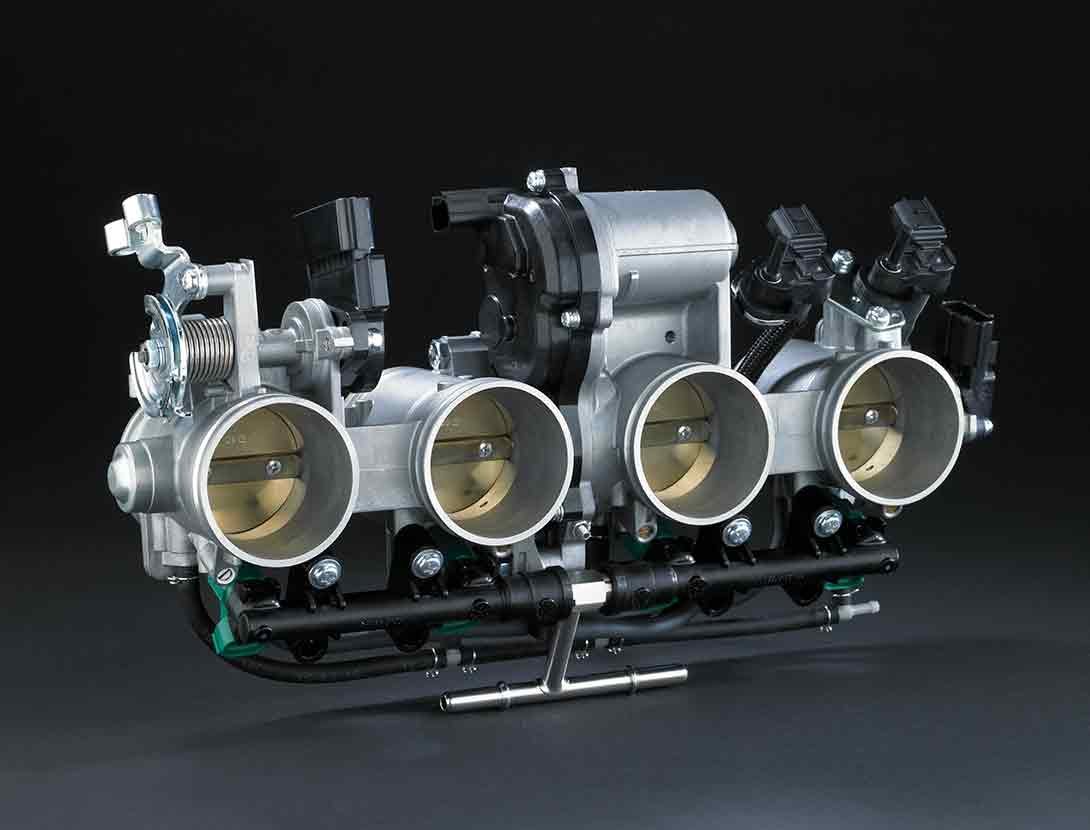 ELECTRONIC THROTTLE VALVES
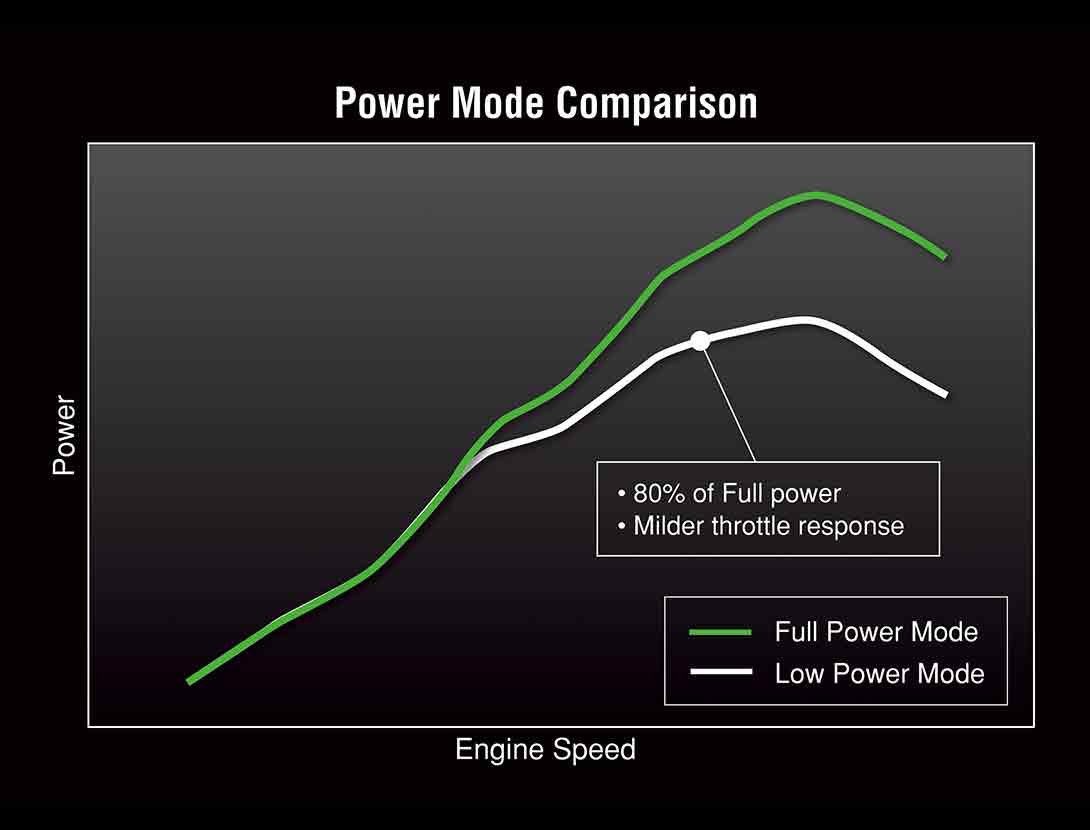 POWER MODES
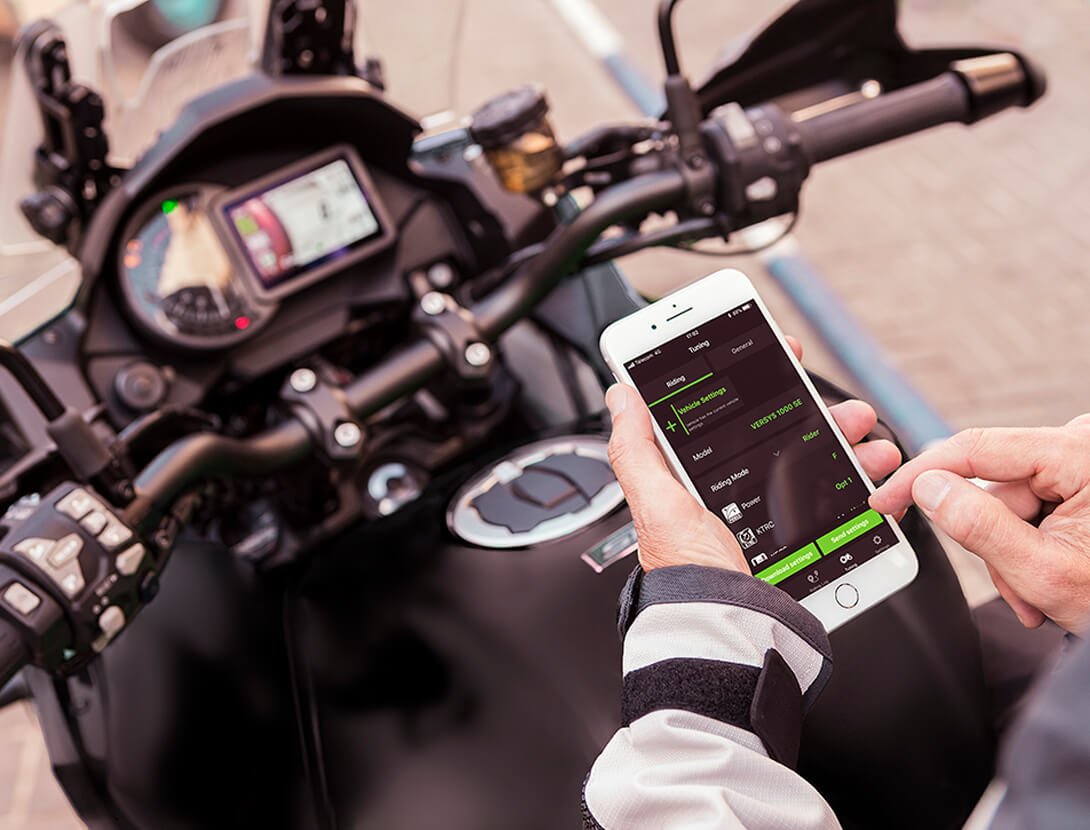 Smartphone Connectivity
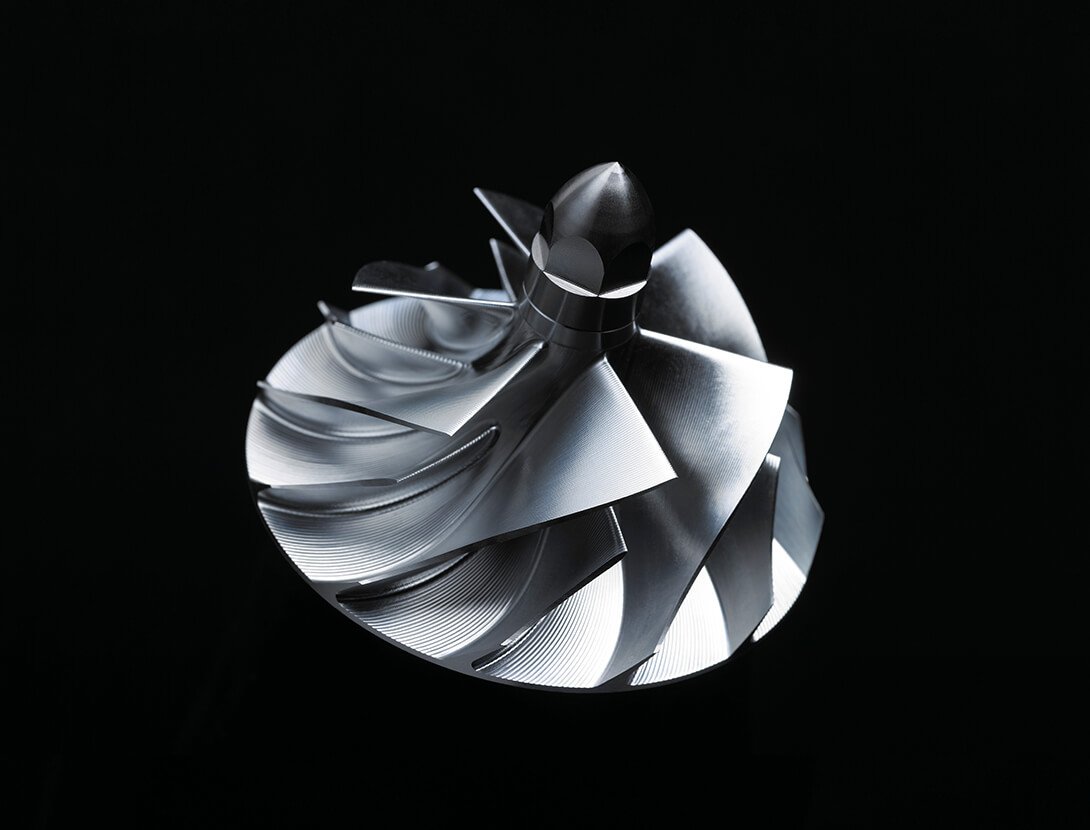 SUPERCHARGED ENGINE
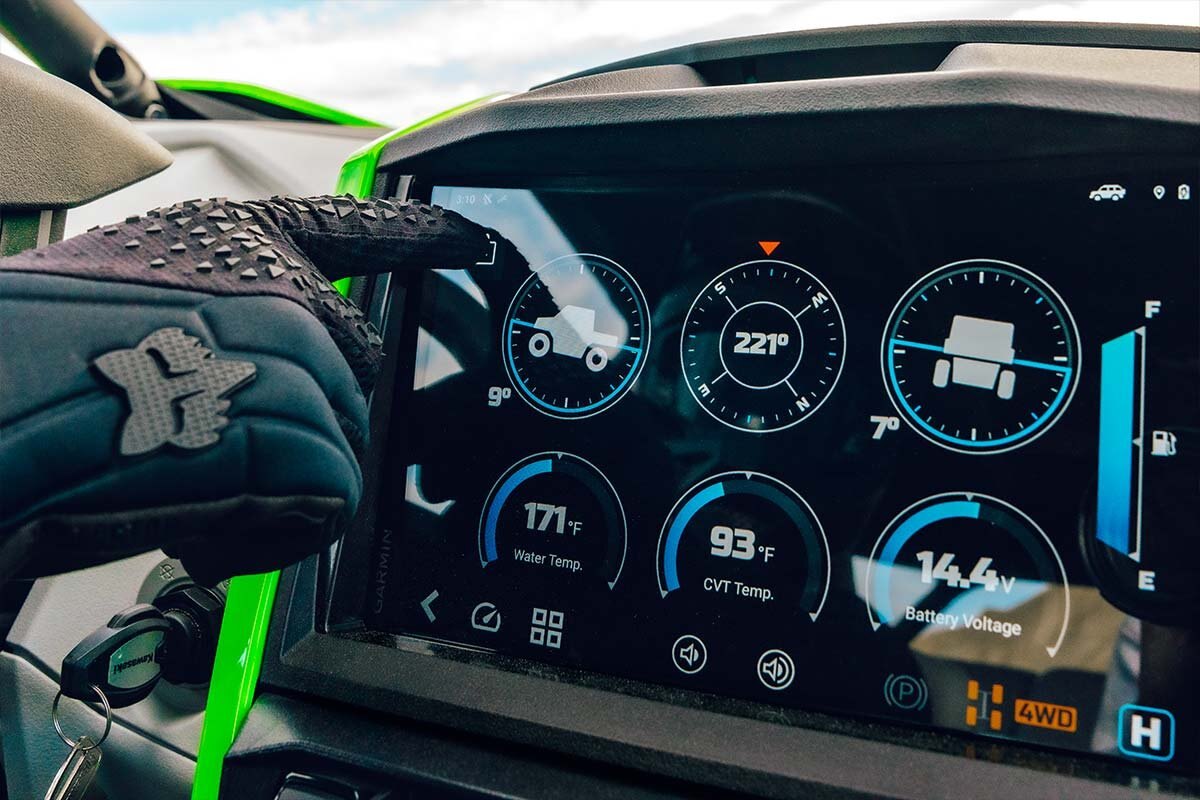
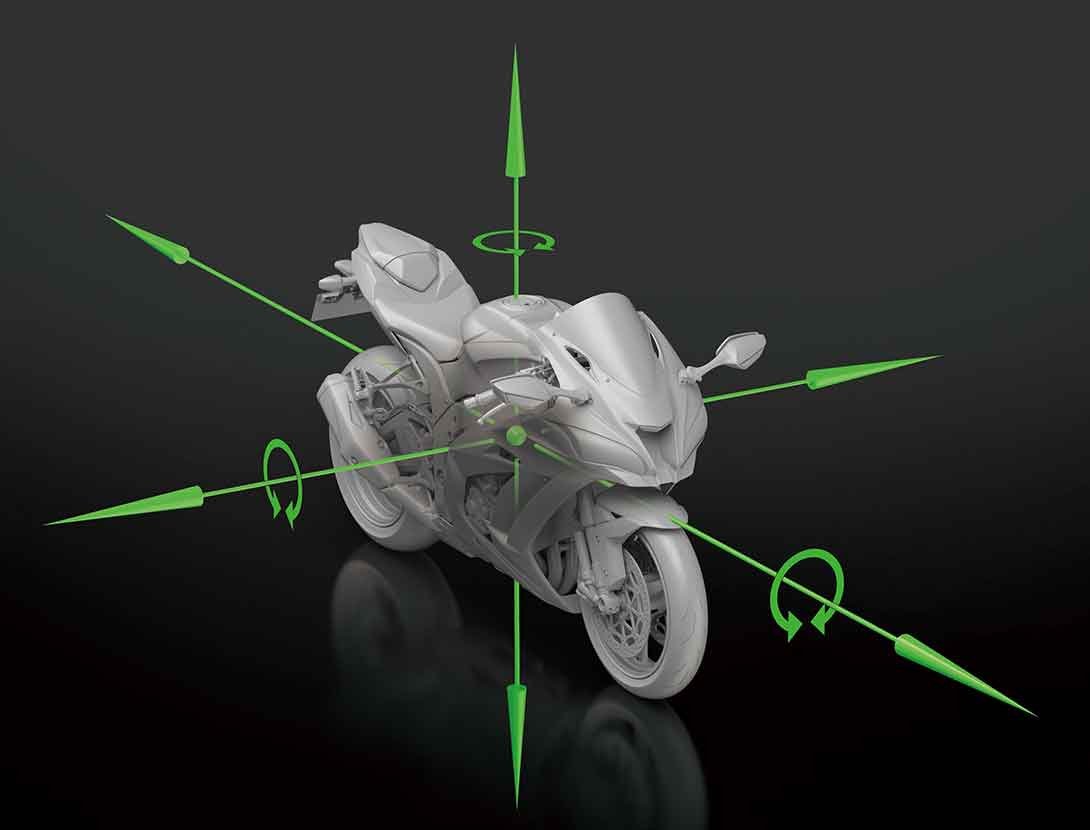 IMU-ENHANCED CHASSIS ORIENTATION AWARENESS
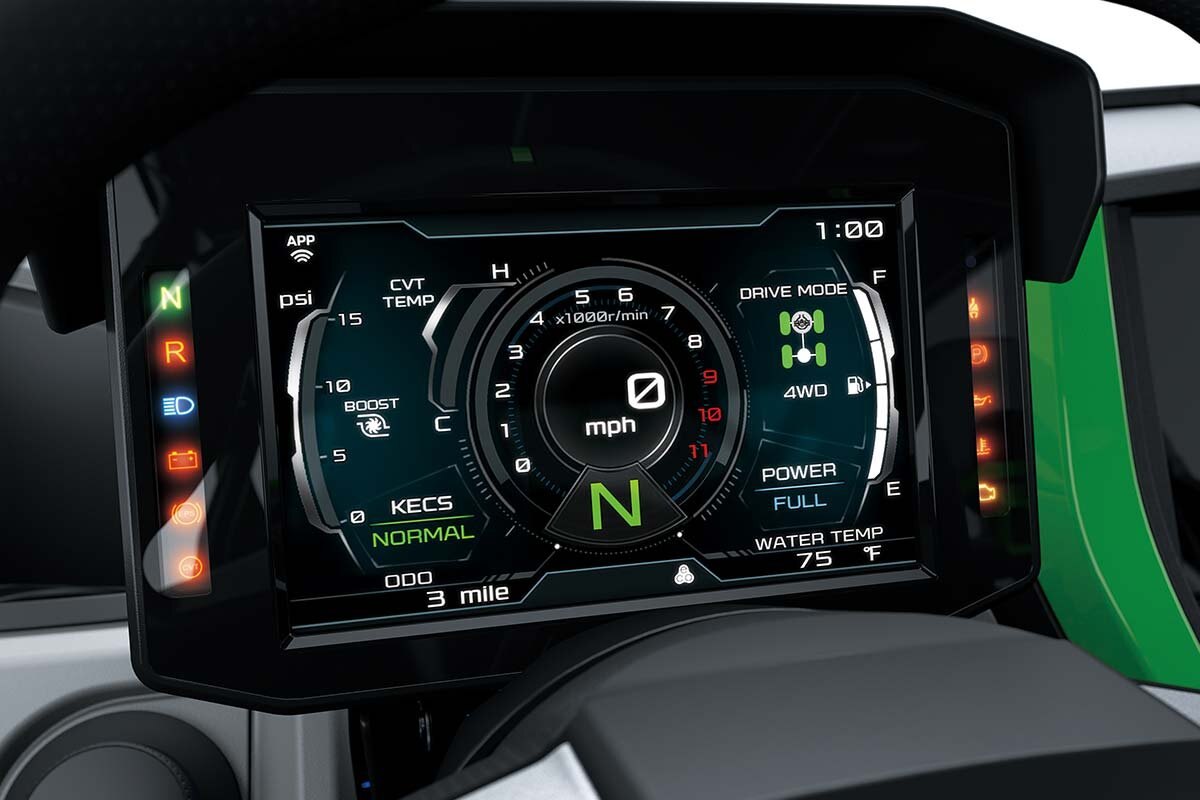
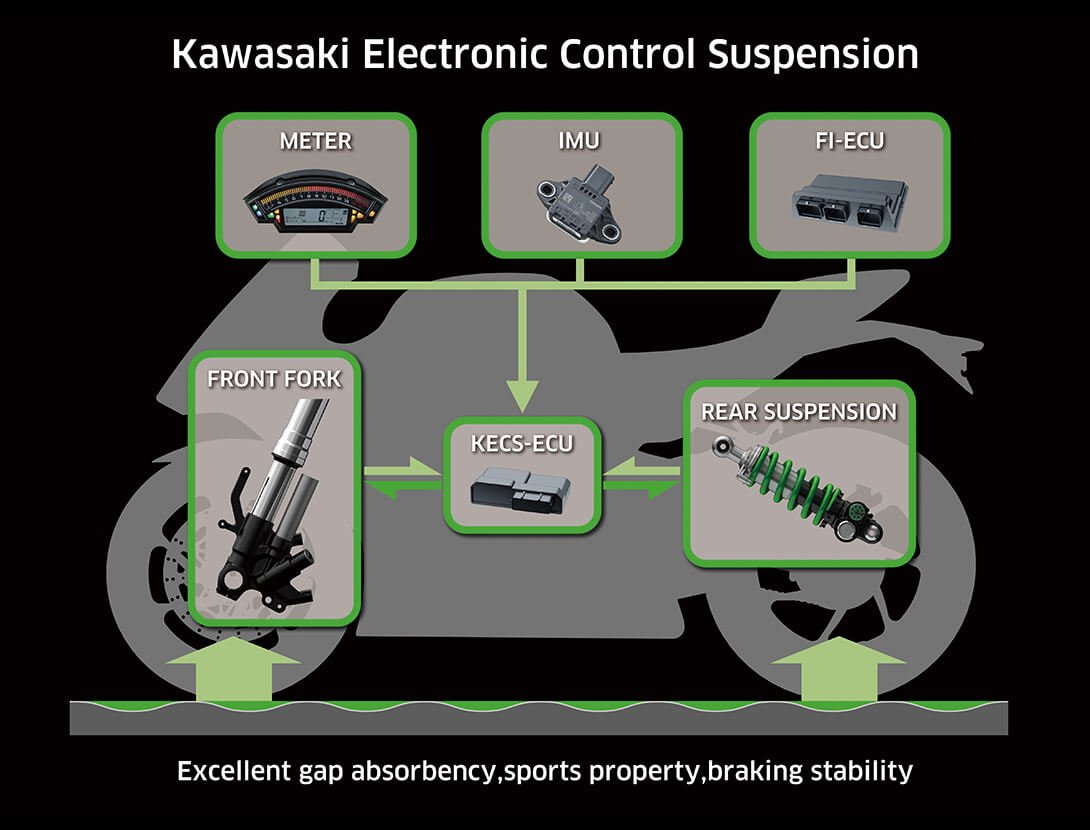 KECS (KAWASAKI ELECTRONIC CONTROL SUSPENSION)
- Monday 8 am - 5 pm
- Tuesday 8 am - 5 pm
- Wednesday 8 am - 5 pm
- Thursday 8 am - 5 pm
- Friday 8 am - 5 pm
- Saturday Closed
- Sunday Closed

ID # 40119631
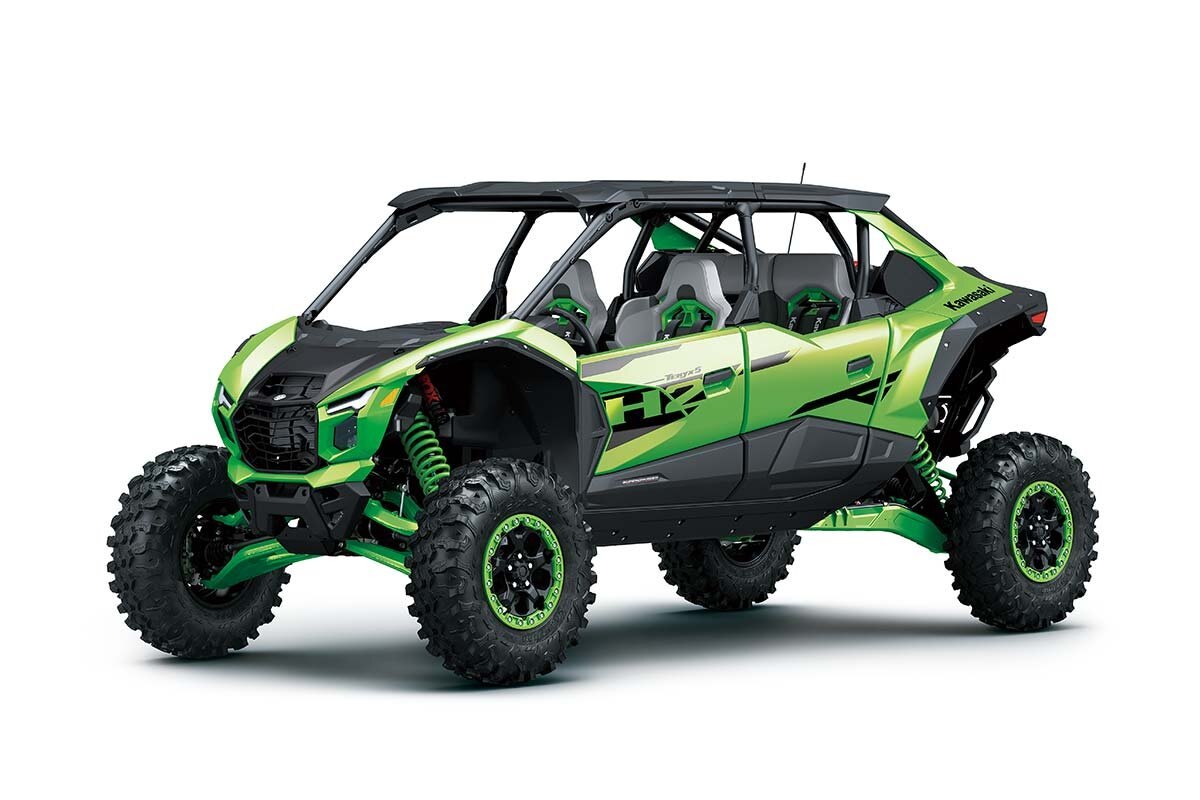
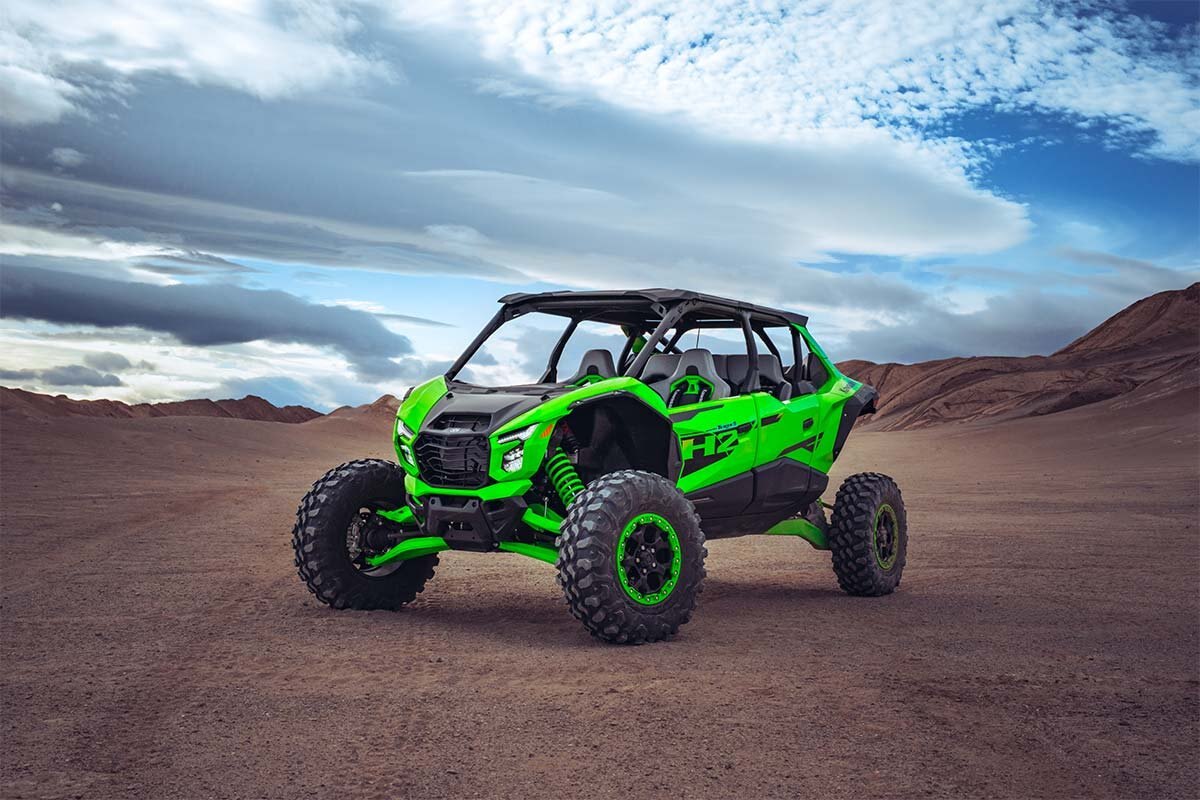
2026 Kawasaki TERYX5 H2 DELUXE eS
Call for Price
Overview
Specifications
technology
power
performance
details
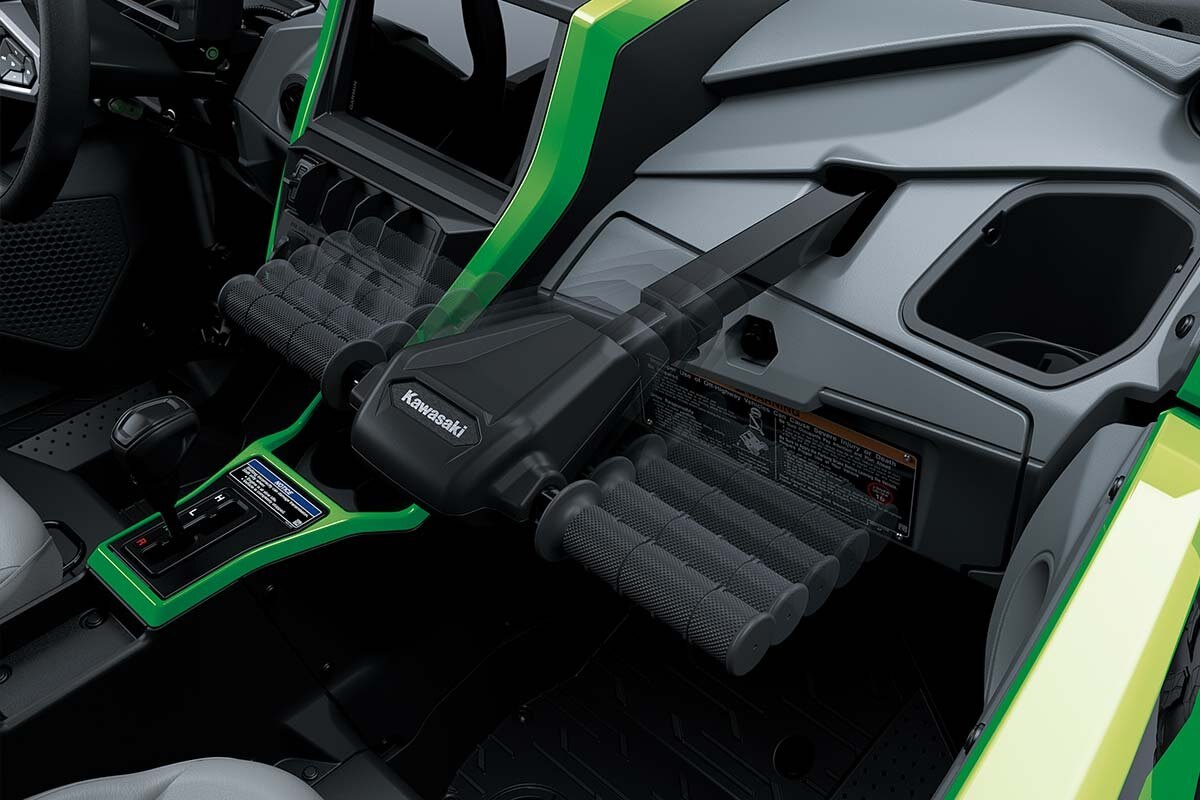
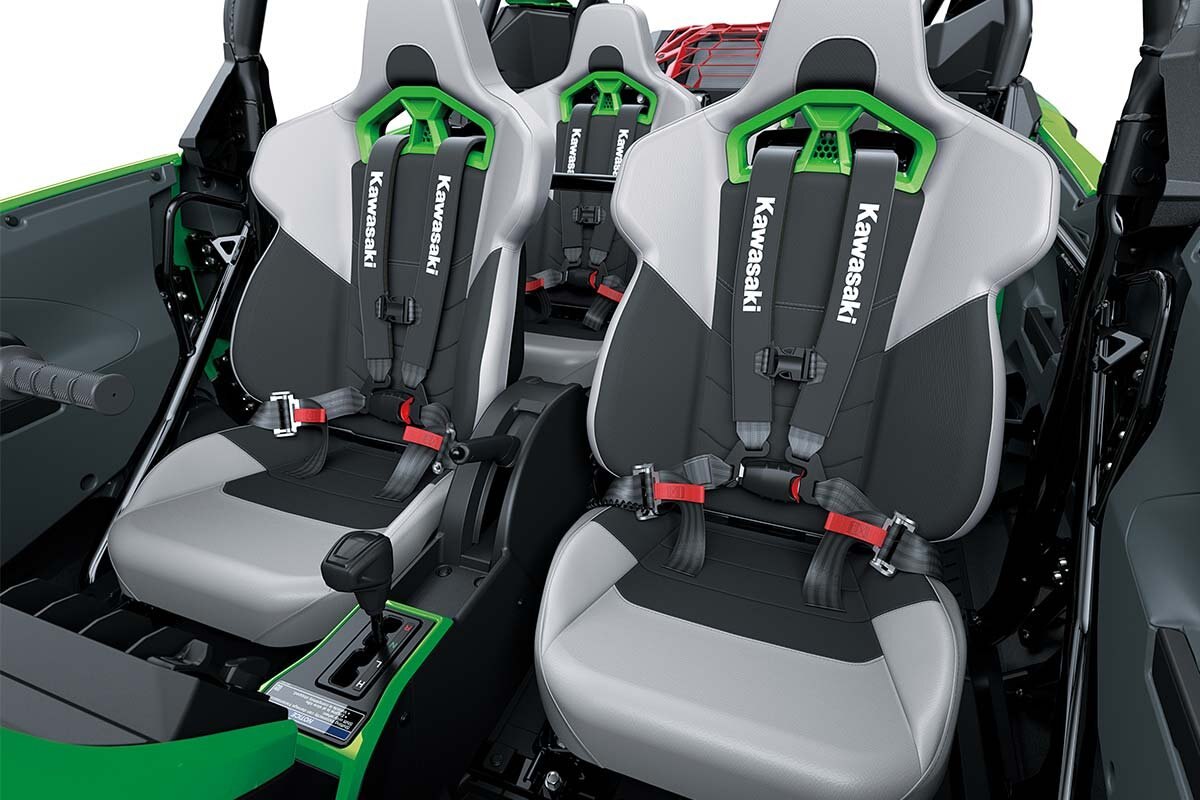
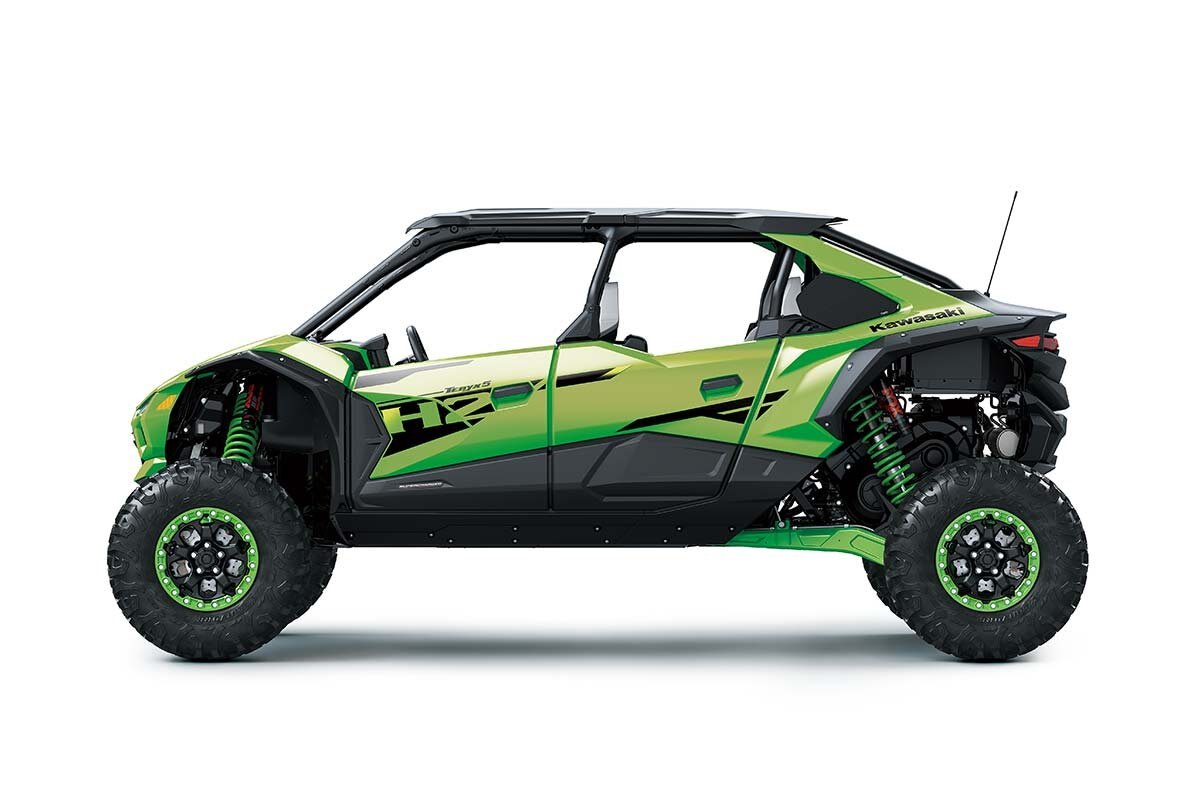
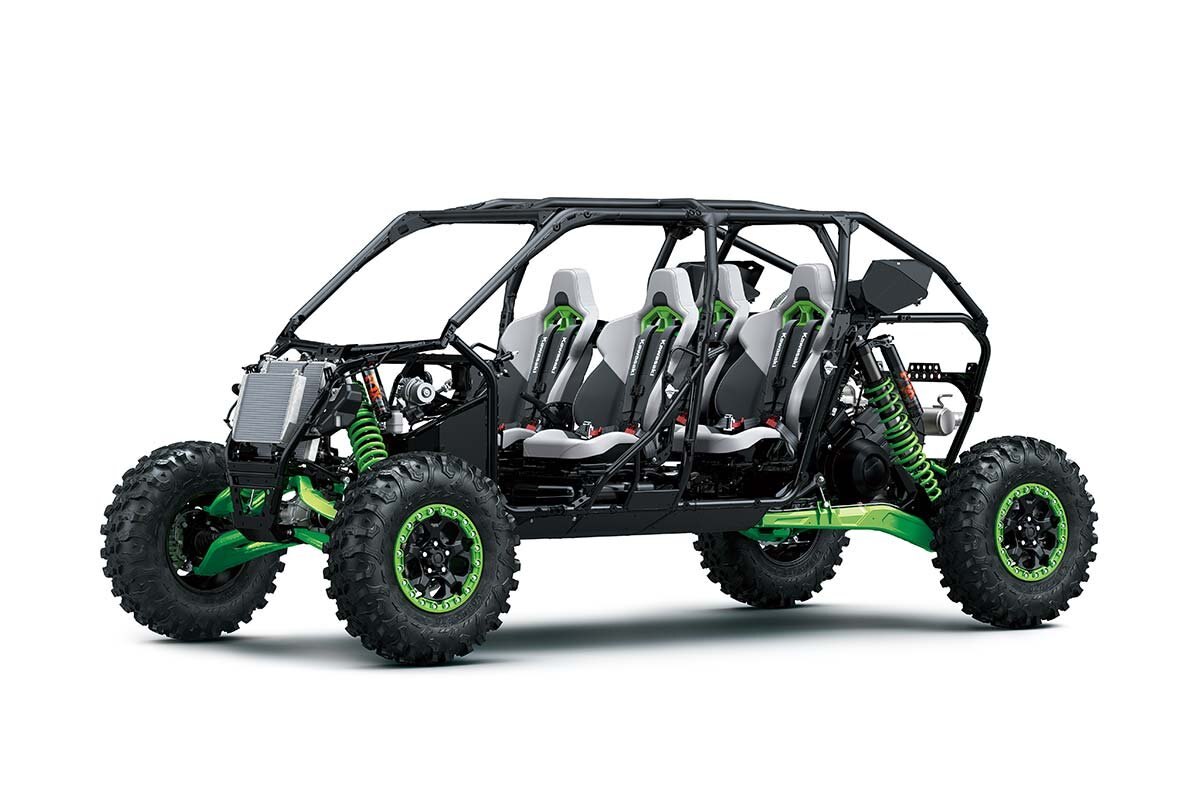
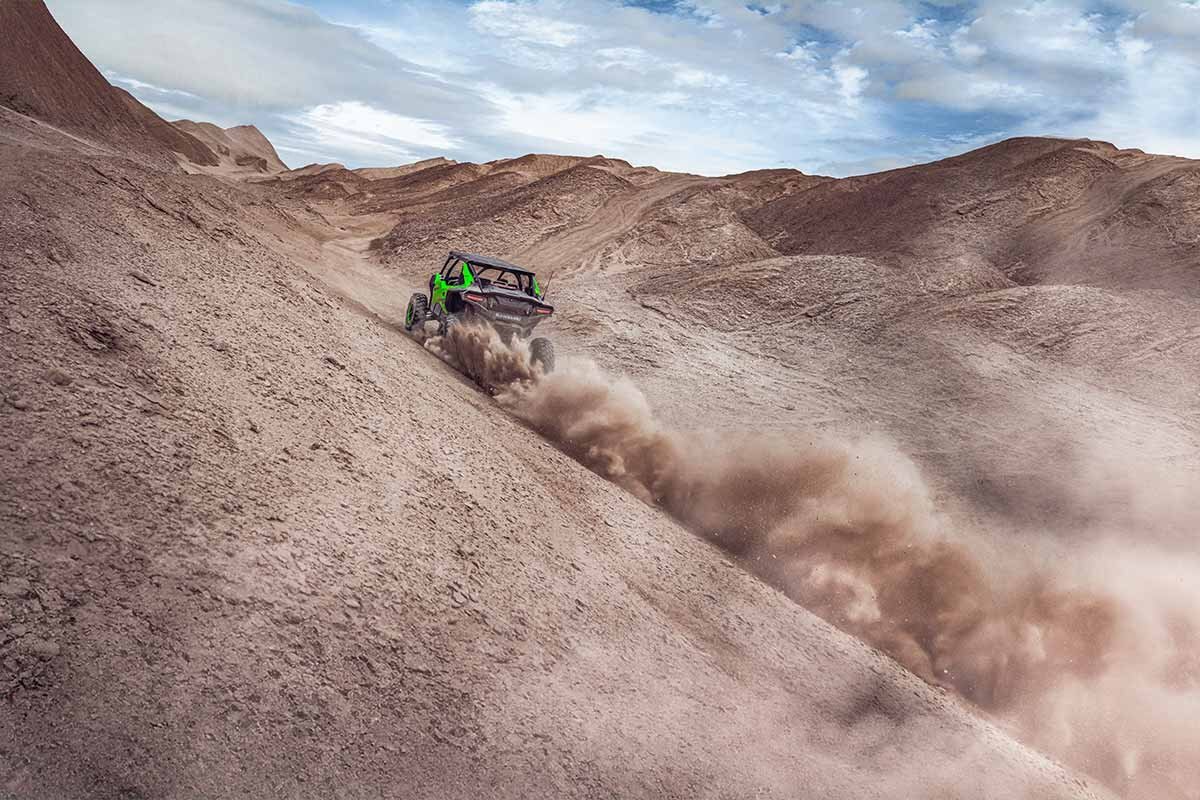
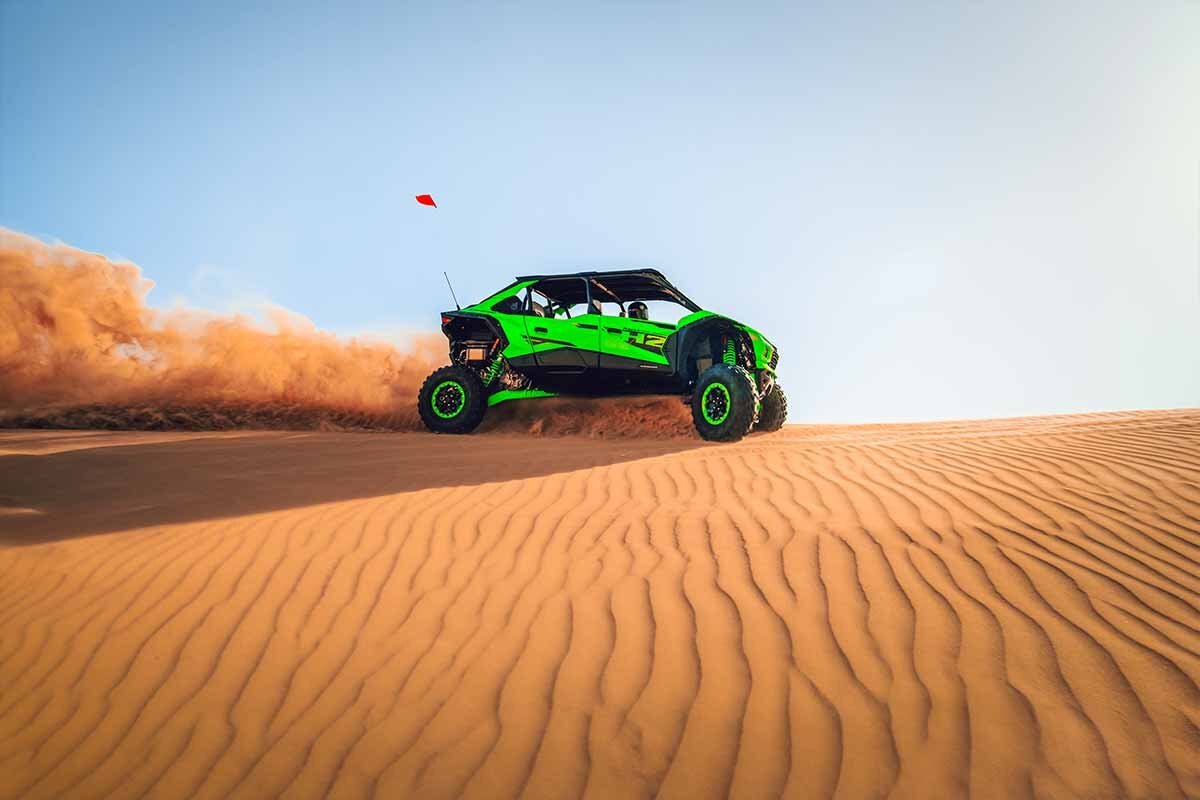
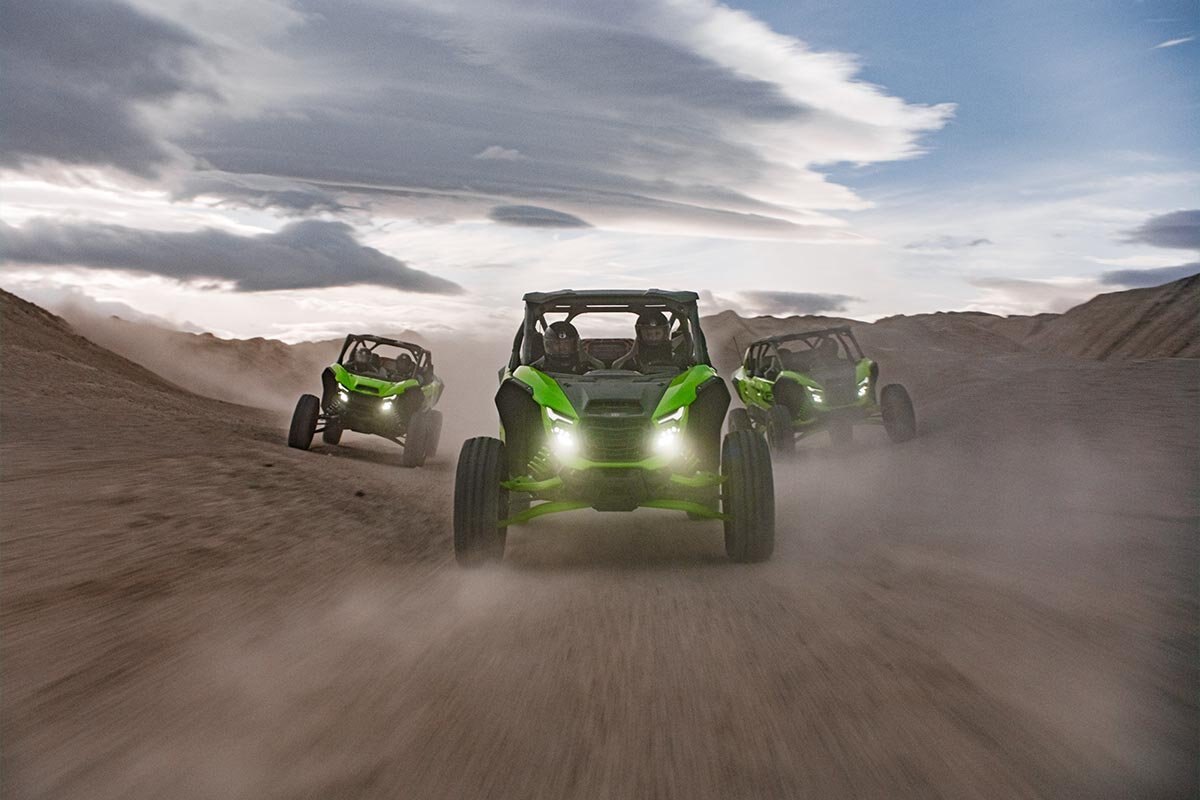
| The new Teryx5 H2 high-performance side by side is designed for dune and desert domination. Its 250 horsepower* 999cc in-line four-cylinder supercharged engine is harnessed by a continuously variable transmission (CVT) and a highly rigid frame complemented by long-travel suspension that help balance the engine’s massive power for maximum control. Predictable handling and confident stopping power add to the well-balanced package delivering maximum fun that can be shared with the whole family. |
FEATURING:
|
ADDITIONAL VEHICLE FEATURES:
|
Model
TERYX5
Category Name
UTV - Side x Side
Year
2026
Sale Type
New
Manufacturer
Kawasaki
Color
Lime Green
Technology
|
|
|
|
|
Chassis Management TechnologyERGO-FITProper fit is key for rider comfort and control. However, the ideal fit varies from rider to rider, depending on their physical dimensions and riding style. ERGO-FIT is an interface system designed to allow riders to find their ideal riding position. Various points of the chassis interface (the handlebar, footpegs and seat, etc.) can be adjusted through a combination of interchangeable parts and parts with adjustable positions. This enables a wide range of riders to find a riding position that offers both comfort and control. Feeling at one with their machine, they will be able to experience how Kawasaki machines are fun and rewarding to ride. *Adjustable parts and their range of adjustability vary by model. |
|
|
Power
186.2 kW* {253 PS*} / 9,000 rpm (*This vehicle’s engine output was measured according to ISO standard 4106.)
Engine
999cc, liquid-cooled, 4-stroke, DOHC 16-valve in-line four
Torque
198.3 Nm {20.2 kgfm} / 8,800 rpm
Ignition
Digital
Starting
Electric
Final Drive
2WD/4WD, shaft, dual-mode front differential
Fuel System
Fuel injection: ø40 mm x 4 with dual injection
Lubrication
Forced lubrication, wet sump
Transmission
Dual-range (high/low) CVT with reverse
Bore X Stroke
73.4 x 59.0 mm
Intake System
Kawasaki Supercharger
Compression Ratio
7.8:1
Frame
Ladder type, tubular steel
Steering
Rack and pinion with Electric Power Steering
Rear Tire
MAXXIS Carnivore Plus 33 x 10.00R16, with bead-lock wheels
Front Tire
MAXXIS Carnivore Plus 33 x 10.00R16, with bead-lock wheels
Rear Brake
Dual ø270 mm discs with twin-piston (ø38 mm x2) calipers
Front Brakes
Dual ø270 mm discs with three-piston (ø34-38-34 mm) calipers
Rake / Trail
8.0° / 53 mm
Parking Brake
Auto-adjust mechanical disc
Steering Angle (L/R)
36° (IN) / 29° (OUT), 36° (IN) / 29° (OUT)
Rear Suspension / Wheel Travel
4-Link Trailing Arm rear suspension, FOX 3.0 Live Valve Internal Bypass shocks with piggyback reservoir, KECS-controlled compression damping, and manually-adjustable spring preload / 609 mm (24.0 in)
Front Suspension / Wheel Travel
Double wishbone, FOX 3.0 Live Valve Internal Bypass shocks with piggyback reservoir, KECS-controlled compression damping, and manually-adjustable spring preload / 589 mm (23.2 in)
Lighting
2x LED headlights, 2x accent lights
Warranty
6 months
Wheelbase
3,200 mm (126.0 in)
Seat Height
810 mm (front) / 820 mm (rear L&R) / 850 mm (rear centre) (31.9 in (front) / 32.3 in (rear L&R) / 33.5 in (rear centre))
Tread (F/R)
1,655 mm (65.2 in) / 1,630 mm (64.2 in)
Curb Weight*
1,136 kg (2,504 lb)
Fuel Capacity
56 litres
Road Clearance
410/420 mm (standard/max preload) (16.1/16.5 in (standard/max preload))
Turning Radius
7.6 m (24.9 ft)
Instrumentation
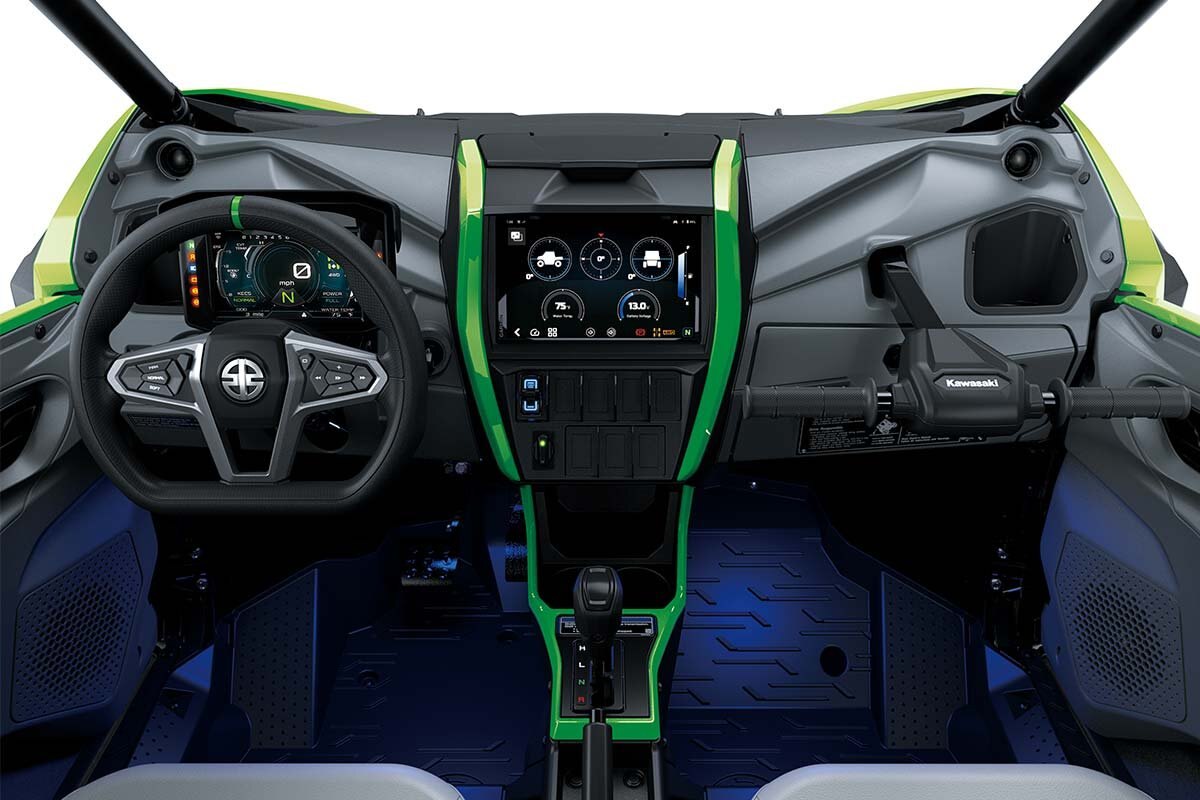
7” high-grade full-colour TFT LCD screen with speedometer, tachometer, fuel gauge, gear indicator (L, H, N, R), Driving Mode (2WD/4WD/4WD+Diff Lock), Power Mode (Full/Mid/Low), Suspension Mode (Soft/Normal/Firm), clock, CVT temperature, boost temperature; selectable display that includes: digital tachometer, odometer, dual trip meters, total time, trip time, average speed, engine temperature, intake air temperature, battery voltage; connected indicator, Economical Riding Indicator, maintenance reminder (2 driver-selectable reminders), and a range of indicators and warning lamps
Seating Capacity
5
Cargo Bed Capacity
136 kg (300 lb)
Vehicle Load Capacity
488 kg (1,076 lb)
Dimensions (L X W X H)
4,050 x 1,880 x 1,875 mm (159.4 x 74.0 x 73.8 in)
Estimated Dry Weight**
1,075 kg (2,370 lb)
Kawasaki Protection Plus
12 / 24 / 36 / 48 months
Cargo Bed Dimensions (LxWxH)
370 x 840 x 230 mm (14.6 x 33.1 x 9.1 in)
Model
TERYX5
Category Name
UTV - Side x Side
Year
2026
Sale Type
New
Manufacturer
Kawasaki
Quantity
0
Color
Lime Green